More Than a Graphic: The Eat Sleep Hockey Design Philosophy
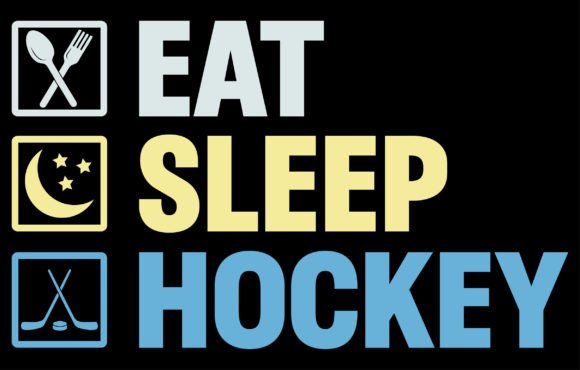
There's a specific kind of devotion that comes with being a hockey fan. It's in the early morning practices, the late-night game watches, and the constant, low-level hum of anticipation for the next season. Capturing that feeling—the grit, the passion, the pure love of the game—in a single visual is a challenge. The Eat Sleep Hockey design isn't just a collection of words; it's a statement of identity. It’s a shorthand for a lifestyle, rendered in a style that feels both timeless and energetic, making it a surprisingly versatile asset for creators and businesses alike.
The Anatomy of a Design That Resonates
What makes this particular hockey-themed design work so well? It starts with a clear, confident typographic foundation. The lettering often balances a bold, blocky presence with subtle stylistic touches—maybe a slight texture within the letters or a dynamic layout that suggests motion. This isn't a delicate script; it's a display font meant to command attention on a crowded merchandise table or a social media feed. The accompanying hockey stick graphic is integrated thoughtfully, acting as both a thematic anchor and a visual connector between the words. This creates a unified brand identity element, even in a standalone design. The high-contrast approach ensures readability at a glance, a crucial factor when a design needs to perform on a T-shirt, mug, or poster from several feet away.
For a small business owner or crafter, this level of built-in cohesion is gold. You’re not just getting a graphic; you’re getting a ready-made logo design concept. The visual consistency here helps with immediate brand recognition. A customer sees that specific combination of bold type and stick icon on a bag at a tournament, and they instantly connect it to the quality and passion they associate with your shop. It bridges the gap between a hobbyist's passion project and a professional-looking product line.
From Digital File to Tangible Product: Practical Applications
The true power of a well-executed design like this lies in its adaptability across mediums. The included file formats—DXF, EPS, PNG, JPG, PDF, SVG—are the keys to unlocking this versatility. Each serves a distinct purpose in a creator's workflow.
- For the Print-on-Demand Entrepreneur: The PNG at 300 dpi is your workhorse for uploading to platforms like Printful or Redbubble for T-shirts and hoodies. The SVG file is perfect for scaling to massive poster sizes without losing a shred of clarity, ideal for arena decorations or sports bar signage.
- For the Etsy Shop Owner & Crafter: The EPS and DXF files are essential for those using cutting machines like Cricut or Silhouette. They allow you to precisely cut vinyl for decals, heat transfers for jerseys, or even stencils for custom-painted bags and equipment. The PDF format ensures flawless printing for invitation cards or printable poster cards you might sell as instant downloads.
- For the Content Creator & Marketer: Use the JPG or PNG to create engaging social media graphics—think Instagram posts announcing a new product drop, Facebook banners for a local hockey league, or Pinterest pins driving traffic to your blog about hockey nutrition or gear reviews. The design can be adapted into a watermark for your website images or a consistent header graphic for your email newsletters.
Think beyond the obvious. This design could become the centerpiece of a packaging design for a hockey-themed subscription box. It could be the header for a blog dedicated to coaching strategies. As a marketing asset, it could adorn a thank-you card included with every order, strengthening your brand identity long after the initial purchase.
Strategic Typography: Choosing the Right Style for Your Brand
While the Eat Sleep Hockey design is a complete package, understanding the principles behind its effectiveness can help you make smarter choices for all your projects. The typography here leans towards a modern yet athletic typeface style. It avoids overly trendy handwritten fonts that might date quickly, but it's not a traditional serif either. This places it in a powerful middle ground: professional enough for a business, yet passionate enough for a fan.
When selecting any premium font or design asset, ask yourself these practical questions:
- Does the personality match the project? A rugged, textured display font works for a hockey brand but might feel out of place for a luxury spa's editorial layout. Always test the "vibe."
- How will it pair with other fonts? If you need to use this design alongside body text for a website or product description, you'll need a complementary sans serif or serif font. A clean sans serif like Montserrat or Open Sans often provides excellent contrast and readability against a bold display face.
- Is it legible at all required sizes? The bold, simple letterforms in this design score high on readability. Always test your chosen typeface at the smallest size it will appear—think a copyright line on a mug or a footer on a poster.
- What's the licensing situation? For any commercial font or design asset, verify the license. Can you use it on unlimited physical products? Can you use it in a digital product you sell? Understanding this upfront prevents legal headaches and ensures your creative business operates on solid ground.
Building a Cohesive Creative Ecosystem
The most successful brands and creative shops don't use random assets; they build a visual system. The Eat Sleep Hockey design can serve as the cornerstone of that system for a hockey-related venture. Its strong visual character can inform the rest of your design choices. Pull its color palette for your website buttons. Echo its angular energy in the layout of your social media graphics. Use a simplified element, like the stick icon, as a recurring motif in your packaging and marketing assets.
This approach transforms a single T-shirt design into a foundational brand identity element. It creates a sense of professionalism and intentionality that customers notice and trust. Whether you're a designer offering custom hockey merch, a small business owner building a niche brand, or a content creator establishing authority in the sports space, having a visually consistent toolkit is what separates the casual hobbyist from the serious creative entrepreneur.
Ultimately, this design is a tool. Its value isn't just in its aesthetic appeal, but in how you deploy it across your projects to tell a consistent, engaging story. It’s a visual shorthand for a community, ready to be applied wherever that story needs to be told—from a player's chest to a fan's favorite mug, from a local rink's poster to a global audience's social media feed. That’s the real win.