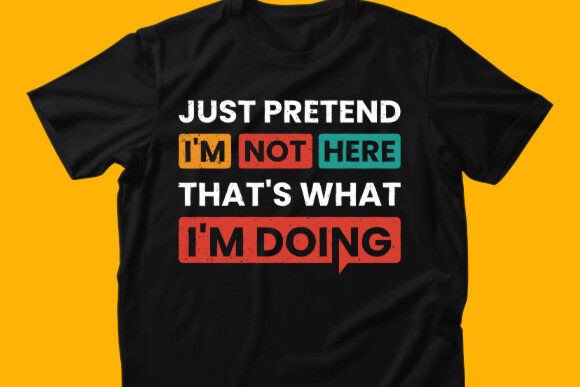
Unlock Laughs: The Power of Funny Pretend Humor T Shirt Design
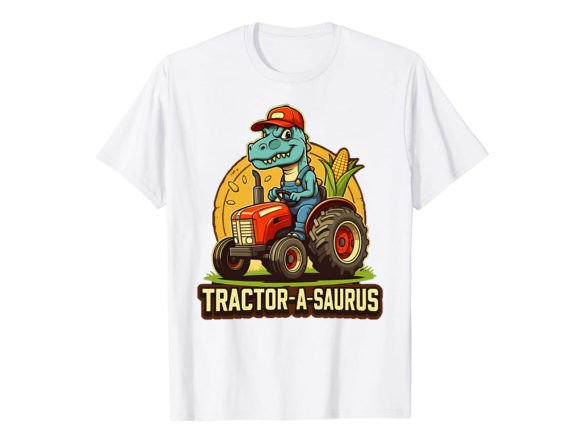
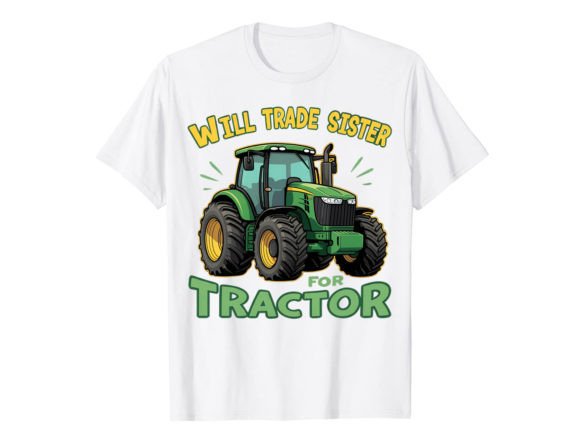
There’s a specific kind of magic in a design that makes someone stop scrolling, chuckle, and immediately think, "I need that on a mug." As a designer or business owner, you know that emotional reaction is the gold standard. It’s not just about looking good; it’s about connecting. That’s where the essence of a truly funny pretend humor t shirt design comes into play. It’s more than just a quirky phrase on cotton; it’s a wearable piece of personality, a conversation starter, and for your print-on-demand business, a powerful tool for building a loyal audience. Welcome to a space where wit meets pixel-perfect execution.
Why Sarcastic Graphics Are a Branding Superpower
Let's be real. The market is saturated with generic motivational quotes and safe, forgettable designs. Humor, especially the kind that's a bit self-deprecating, sarcastic, or absurdly observant, cuts through the noise. Think about the brands you remember. They often have a distinct voice. A well-crafted funny design does the same for your merchandise. It tells your customer, "We get you. We share your sense of the world's ridiculousness." This instant recognition is foundational for strong brand identity. It’s not about selling a t-shirt; it’s about selling a feeling, an inside joke, a shared moment of levity. This approach transforms a simple product into a piece of a community.
The visual appeal of these designs lies in their directness and relatability. They don't need complex illustrations to land the punchline. Often, it’s the clever juxtaposition of a clean, modern typeface with a perfectly timed, witty statement. The typography itself becomes the hero. A bold sans serif font shouting a hilarious complaint, or a whimsical script font delivering a deadpan joke, creates immediate visual interest. The "pretend" aspect—like mimicking a official warning label or a vintage logo—adds a layer of cleverness that rewards the viewer for looking closer. This layered approach makes the design memorable and highly shareable, which is free marketing for your brand.
From Digital File to Real-World Impact: Practical Applications
The true strength of a premium funny design asset is its versatility. A single, well-conceived graphic isn’t limited to one product. Let’s break down how you can leverage it across your creative and commercial projects to maximize its value and ensure visual consistency.
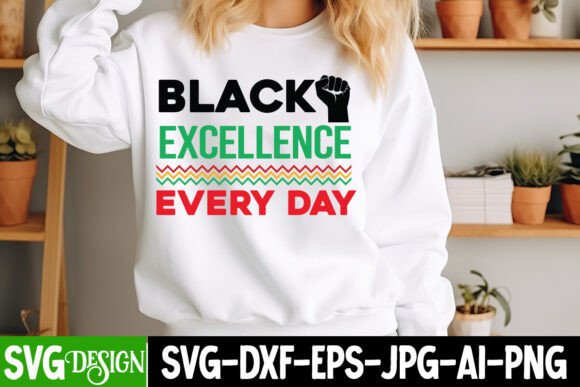
- Merchandise & Print-on-Demand: This is the obvious home run. T-shirts, hoodies, and sweatshirts are the canvas. But don't stop there. Imagine the same sarcastic quote on a coffee mug for the office cynic, a tote bag for the grocery run, or a phone case that gets a laugh in the elevator. Each item extends your brand's reach into different parts of your customer's daily life.
- Digital Marketing & Social Media: A funny graphic is social media gold. Use it as the centerpiece of an Instagram post, a Facebook ad, or a Pinterest pin. It drives engagement—likes, comments, and shares—far more effectively than a bland product shot. You can also adapt the design into a series of Instagram Stories or a humorous banner for your website's homepage to showcase your brand's personality.
- Packaging & Unboxing Experience: Elevate your customer's experience. Print a witty one-liner on your mailer boxes, tissue paper, or thank-you cards. A design that says, "I survived another meeting that could have been an email" on the inside of a box lid creates a delightful surprise that reinforces your brand's humorous identity long after the purchase.
- Physical Marketing & Events: Think beyond the screen. These designs make for fantastic posters for local markets, flyers for a pop-up shop, or even quirky business cards that people won't throw away. For a special event like a birthday or holiday sale, a themed funny design on invitations or signage sets a playful, memorable tone.
Matching the Message to the Medium: A Designer's Checklist
Having a great design is step one. Step two is deploying it with strategic thought to ensure it achieves maximum impact. Here’s how to think like a brand strategist when using humorous graphics.
Know Your Audience's Humor: The design for a Gen Z-focused brand might lean into internet meme culture and ironic detachment. A design targeting new parents might find gold in the shared exhaustion and chaos of toddlerhood. The "pretend" humor style works well across demographics because it taps into universal frustrations and observations, but the specific reference and tone should align with who you're talking to. A mismatch here can fall flat or even alienate.
Consider the Product Context: A tiny, intricate font that’s hilarious on a large poster might be illegible on a small phone case. When you choose a design, think about its final home. For apparel, ensure the text is readable from a conversational distance. For digital products like social media graphics, make sure the punchline is visible without needing to click to expand. This is where reviewing the included font styles and weights in your design package is crucial. A bold weight for headlines and a regular weight for supporting text maintains hierarchy and readability.
Font Pairing for Maximum Effect: Often, a funny pretend humor t shirt design will use a primary display font for the joke and a secondary, simpler font for a date, location, or sub-line. This is where understanding basic font pairing pays off. Pair a loud, expressive display font (maybe a slab serif or a bold sans serif) with a clean, neutral sans serif for balance. This prevents the design from looking chaotic and guides the viewer's eye naturally from the visual hook to the supporting information. It’s a small detail that significantly boosts professional presentation.
Beyond the Laugh: Building a Cohesive Creative Library
For the creative entrepreneur or small business owner, building a library of high-quality, reusable design assets is a game-changer. It ensures your visual communication remains consistent, whether you're launching a new product line, running a holiday campaign, or refreshing your website. A versatile funny design isn't a one-off; it's a seed for an entire content strategy.
You can extract elements from it. Pull the color palette to use across your brand materials. Adapt the illustrative style for other graphics. Use the typographic approach as a template for future quotes. This creates a visual through-line that strengthens brand recognition. Your audience starts to recognize your style before they even read the text. This is the essence of building a brand, not just a shop.
Finally, always be mindful of the practicalities. If you're purchasing designs for commercial use, double-check the licensing. Ensure it covers the scale of your operation and the types of products you intend to sell. A reputable source will be clear about this, giving you the confidence to create and sell without legal grey areas. The goal is to focus on the fun part—connecting with your audience through humor—while the foundation of your business remains solid and professional.
In the end, integrating humor into your visual strategy is about humanizing your brand. It shows confidence, creativity, and an understanding of your community. A great funny pretend humor t shirt design does more than just decorate a product; it sparks joy, builds connection, and turns casual browsers into fans who appreciate the smile you brought to their day. That’s a powerful return on investment for any creative project.